
Distributed Key-Value Store
A fault-tolerant storage engine designed for low-latency operations under network partitions, implementing raft consensus and custom log compaction.
Consensus and Replication Engine
The storage engine coordinates state replication across independent nodes using a custom consensus layer, ensuring strict serializability and immediate consistency.
State Machine Replication
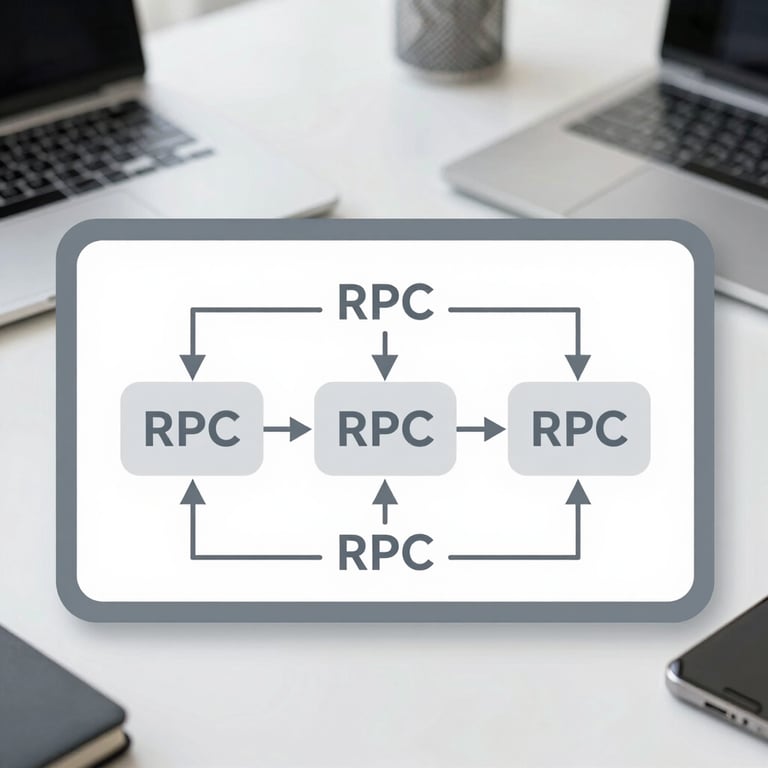
Every state change is appended to an immutable write-ahead log. Nodes communicate via structured RPCs to commit entries, preventing stale reads during network splits.
Log compaction runs asynchronously to prevent disk exhaustion, snapshotting state while maintaining active client connections without performance degradation.
Replication topology across three independent consensus nodes.
Validated System Outcomes
1.2ms
Write latency under load
99.99%
Consensus uptime verified
10k+
Ops per second per node
Critical Path Execution
Review the core concurrency patterns and synchronization primitives that prevent race conditions during high-throughput state replication.
Preventing Race Conditions
The consensus layer utilizes fine-grained mutex locking and structured channels to serialize incoming log entries before they are committed to the state machine.
Automated race detection tests are executed on every commit pipeline, validating memory safety under simulated network partition failures.
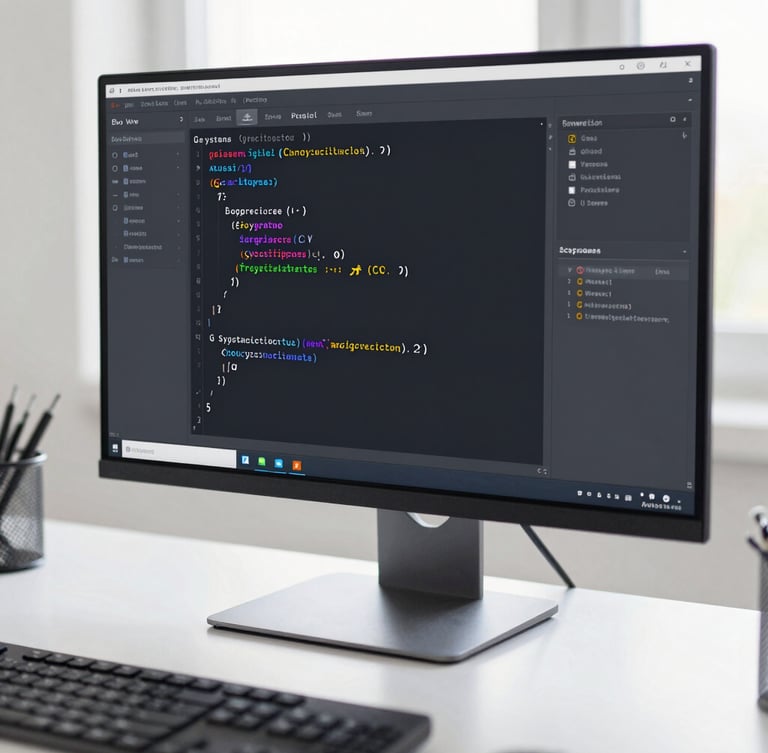
Synchronization primitives managing concurrent log access.